

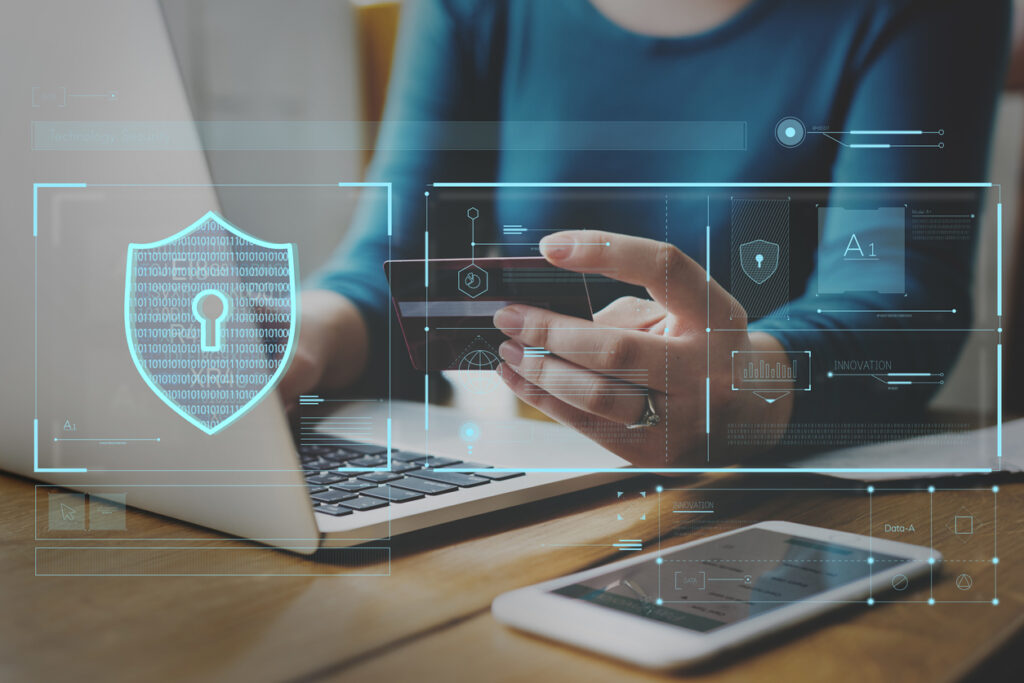
As a professional in cybersecurity, ensuring the safety of financial information online is paramount. Here are the three most important tips to protect your financial data:
- Use Strong, Unique Passwords and Two-Factor Authentication (2FA):
- Strong Passwords: Always use complex and unique passwords for your financial accounts. A strong password typically includes a mix of upper and lower case letters, numbers, and special characters. Avoid using easily guessable information like birthdays, names, or common words.
- Password Managers: Consider using a reputable password manager to generate and store complex passwords. This reduces the risk of using repeated passwords across different sites and makes it easier to manage multiple strong passwords.
- Two-Factor Authentication (2FA): Enable 2FA on all financial accounts. This adds an extra layer of security by requiring a second form of verification (like a code sent to your phone) in addition to your password. Even if your password is compromised, 2FA can significantly reduce the risk of unauthorized access.
- Be Vigilant Against Phishing and Social Engineering Attacks:
- Recognize Phishing Attempts: Be cautious of emails, messages, or phone calls asking for financial information or login credentials. Phishing attacks often mimic legitimate communications from banks or financial institutions to steal information. Always verify the source before responding.
- Do Not Click on Suspicious Links: Avoid clicking on links or downloading attachments from unknown or unsolicited sources. These links can lead to fake websites designed to steal your information or can download malware onto your device.
- Educate Yourself: Stay informed about the latest phishing tactics and social engineering scams. Regularly educating yourself can help you recognize and avoid these threats.
- Secure Your Devices and Networks:
- Keep Software Updated: Regularly update your operating system, browsers, and all security software. Updates often include patches for security vulnerabilities that could be exploited by attackers.
- Use Secure Networks: Avoid conducting financial transactions over public Wi-Fi networks. Use a virtual private network (VPN) when accessing sensitive information on public or untrusted networks.
- Install Security Software: Use reputable antivirus and anti-malware software. These tools can provide real-time protection against malware and other threats.
- Be Cautious with Mobile Devices: Ensure that any mobile device used for financial transactions is secure. This includes using a strong passcode, keeping the device updated, and only downloading apps from trusted sources.
Remember, the key to protecting your financial information online is a combination of strong security practices, continuous vigilance against threats, and staying informed about the evolving landscape of cybersecurity.
Be the first to comment